
Woman sitting at home office desk, looking at business documents. African american freelancer in living room using notebook while reading financial charts on clipboard, camera A

Why You Should Carbon Climate Important ?

A recent study warns that, at the current emission pace, Earth could surpass the critical 1.5 °C global warming threshold as soon as 2028. The planet is already approximately 1.24 °C warmer than pre-industrial levels. Scientists stress that only urgent and transformative reductions in greenhouse gas emissions can slow or reverse this trajectory.Live Science
A related analysis confirms our remaining carbon budget to stay within 1.5 °C—now estimated at around 130 billion metric tonnes of CO₂—could be depleted within just three years.Financial Times

2. Europe Gripped by Extreme Heat

An intense heatwave has shattered temperature records across Europe. South-west France recorded highs 12 °C above normal, and nations such as Croatia and Hungary faced severe wildfires and health crises. These events underscore the growing health and environmental threats from climate-driven extremes.The Guardian

3. Australia’s Climate Risks: ‘Intense and Scary’

An unreleased government assessment in Australia reveals “intense and scary” threats posed by climate change to national infrastructure, food systems, health, and the economy. Delayed due to the national election, the report highlights that early-2025 weather-related damage alone cost $2.2 billion AUD and emphasizes the urgent need for adaptation and investment.The Guardian

4. London’s Kew Gardens Opens ‘Carbon Garden’

Kew Gardens in London unveiled a permanent “Carbon Garden” that illustrates the role of carbon in nature and climate. Featuring 6,500 plants and resilient species selected to thrive under future climate conditions, the exhibit educates visitors on photosynthesis and the importance of reforestation and carbon absorption.Reuters


Overview & Context

Theme Insight
Rising Temperatures Warming continues to accelerate globally, with regional extremes escalating.
Carbon Budget Depletion The window to stay under 1.5 °C is closing fast—potentially gone within three years.
Societal Impacts Climate change is inflicting mounting financial and health burdens.
Public Engagement Institutions like Kew Gardens are promoting climate awareness through nature.

Why This Matters

  • Near-Term Global Risk: Breaching 1.5 °C in the next few years could accelerate extreme weather, ecosystem collapse, and health emergencies.

  • Adaptation Imperative: As shown in Australia, delays in releasing and responding to risk assessments hamper preparedness.

  • The Power of Awareness: Initiatives like Kew’s Carbon Garden bridge the gap between public understanding and climate science—vital for support of climate policies.
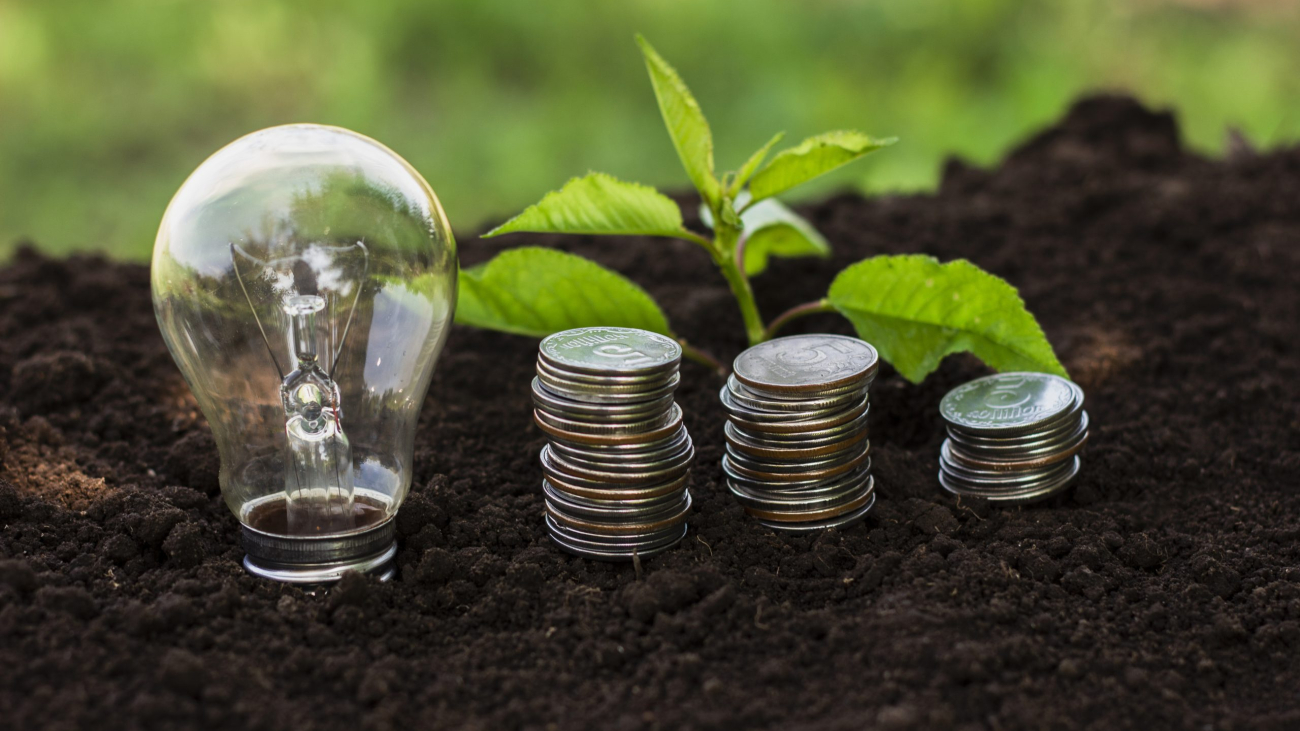
 

high-angle-small-tree-stack-coins

Carbon Trading in Kenya and Africa

Kenya’s Carbon Trading Landscape

Legal & Regulatory Foundations

  • The Climate Change (Amendment) Act, 2023, enacted in September 2023, mandated environmental impact assessments, community development agreements (CDAs), and registration of projects with a National Carbon Registry Bowman LawMondaq.

  • Building on this, the Climate Change (Carbon Markets) Regulations, 2024 (effective May 2024) introduced:

    • A carbon registry managed by NEMA, the national authority under Article 6 of the Paris Agreement;

    • Clear rules for project approval, and differentiated community benefit-sharing: at least 40% of earnings from land-based projects, 25% for non-land-based KilimokwanzaEYMount Kenya Times.

Market Growth & Activity

  • Since 2012, registered carbon projects grew from 8 to 80+ by 2023, generating ~4.5 million credits yearly—valued at around $77 million (nearly 1% of Kenya’s GDP) Mount Kenya Times.

  • In June 2023, Kenya hosted the world’s largest carbon market auction, selling over 2.2 million tonnes of credits from sectors like reforestation, renewables, and waste management The Star.

Challenges & Equity Concerns

  • Only 38% of Kenya’s carbon projects complete validation due to high transaction costs, complex methodologies, and technical capacity gaps Mount Kenya Times.

  • Benefit-sharing remains skewed: indigenous communities often receive less than 20% of project revenues, despite stewarding the land Mount Kenya TimesResearchGate.

  • Some projects have overestimated their emissions reductions, undermining credibility and investor confidence Mount Kenya Times.

Innovations & Clean-tech Initiatives

  • Octavia Carbon, a Kenyan start-up, is deploying Direct Air Carbon Capture (DACC) using geothermal steam and basalt storage. Its prototypes capture about 10 tonnes CO₂/year (like 1,000 trees). Plans are underway for a 1,000-ton facility, with ~$3 million in carbon credit contracts secured Reuters.

  • Koko Networks provides bioethanol cookstoves to Kenyan households. Backed by carbon market revenues and supported by a $179.6 million MIGA guarantee, it’s scaling clean-cooking initiatives and selling credits internationally Wikipedia.

  • CO2balance, a UK-based consultancy, operates in Kenya through CarbonZero Kenya Ltd, helping develop carbon projects aligned with the SDGs Wikipedia.

Community Impact & Criticism

  • The Northern Kenya Rangelands Carbon Project—backed by Meta, Netflix, and British Airways—has generated ~$90 million in sales. Yet, a Kenyan court recently ruled that two conservancies were unlawfully established; Verra is now reviewing their accreditation The Times.

  • Local communities accuse such projects of disrupting traditional lifestyles, restricted land access, and lacking meaningful consent. For example:

    “We are pastoralists, we don’t want to be given restrictions that we can’t move with our animals.”